
Faculty Research Interests
Dr. Maria Diana Gonzales
- Developmental Outcomes in Infants
- Emergent Literacy in Bilingualism
Dr. Farzan Irani
- Treatment Outcomes in Stuttering
Dr. Ranjini Mohan
- Neural Basis of Language and Cognition
- Aging
Dr. Pradeep Ramanathan
- Post-stroke aphasia
- Traumatic Brain Injury
Dr. Maria Resendiz
- Language Learning in Bilingual Populations
- Post-graduate Clinical Training
Dr. Amy Louise Schwarz
- Read-Aloud Practices Across Types of Educators
- Social, Cultural, & Linguistic Biases of CDIS Professionals & Students
Dr. Jie Yang
- Cross-linguistic Investigation of the Acquisition of Speech Production and Perception Abilities in Monolingual and Bilingual Children
- Development of Prosodic Characteristic of Tone and Intonation
Interim Chair, Clinical Assistant Professor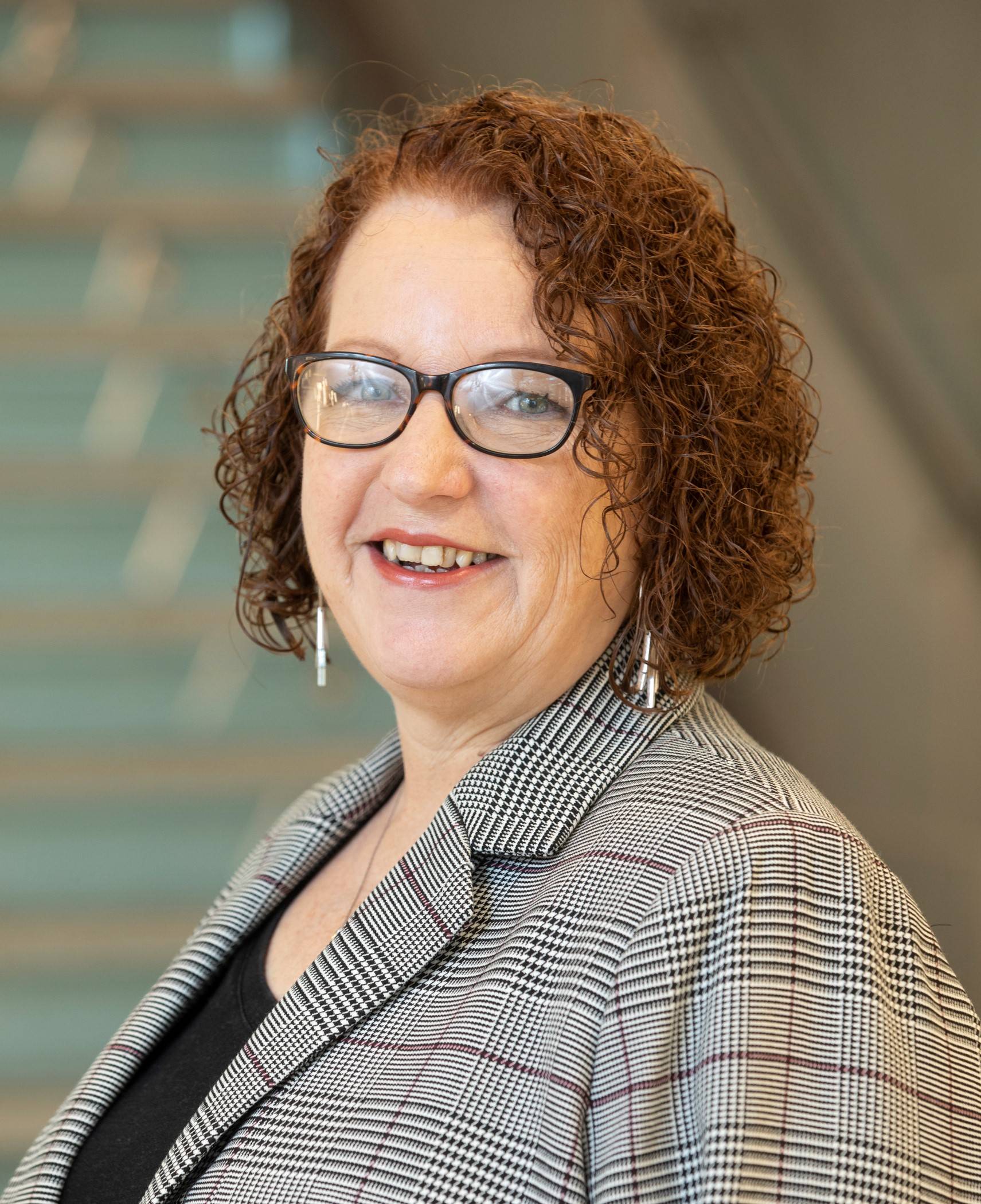
Mrs. Stiritz 's research is in the area of auditory processing disorders. She is one of few audiologists performing this type of assessment in Central Texas. Specifically, she is interested in the effects of auditory processing disorders on learning to read. She also is involved in establishing effective remediations for this type of problem.
Clinical Assistant Professor, Director of Clinical Operations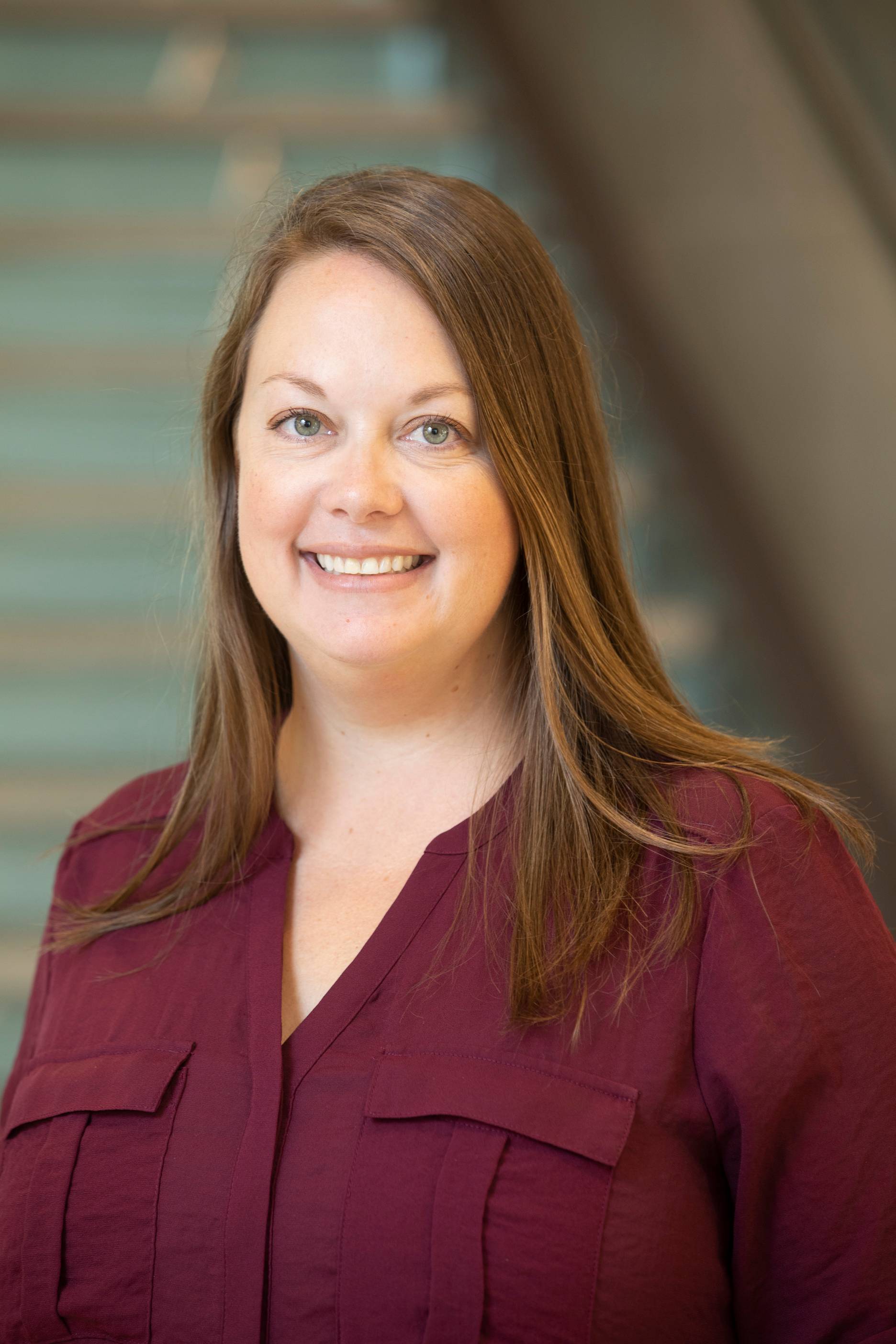
Ms. Bowers’ research interests include family dynamics in the therapy treatment process and family training programs for facilitating therapeutic techniques. She also has an interest in feeding development outcomes of premature infants following discharge from the Neonatal Intensive Care Unit (NICU).
Professor
Dr. Gonzales' research interests include the developmental outcomes of infants discharged from Neonatal Intensive Care units. Additional research interests include the parent-child interaction skills exhibited by bilingual parents with typically developing and language disordered infants as well as the emergent literacy skills of typically developing and language disordered bilingual preschoolers. Dr. Gonzales is also interested in developing more effective methods of student mentoring and infusing diversity issues into the curriculum.
Clinical Lecturer
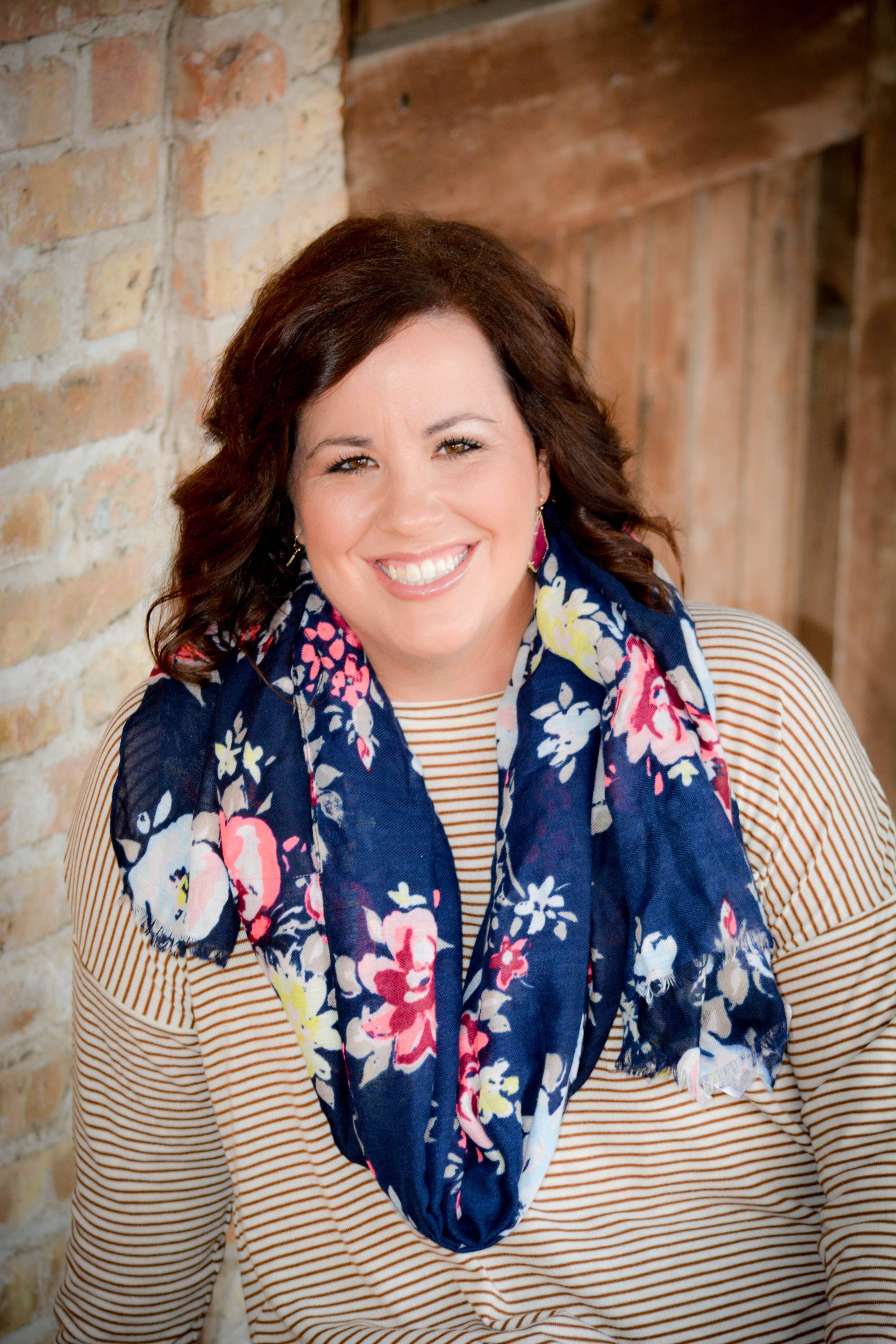
Brittney Eisenbach earned her bachelor's of science in Speech, Language, and Hearing Sciences at Texas Tech University Health Sciences Center and a master of science degree in Communication Disorders from Texas State University. She holds the Certificate of Clinical Competence from the American Speech-Language-Hearing Association and is licensed to practice in the state of Texas. She has previously worked in early childhood intervention, private practice, and public school which included being a part of the play-based assessment team. She has a special interest in early childhood language and working on functional language and social skills with teens in the community. She believes that everyone deserves a voice no matter what mode of communication.
Professor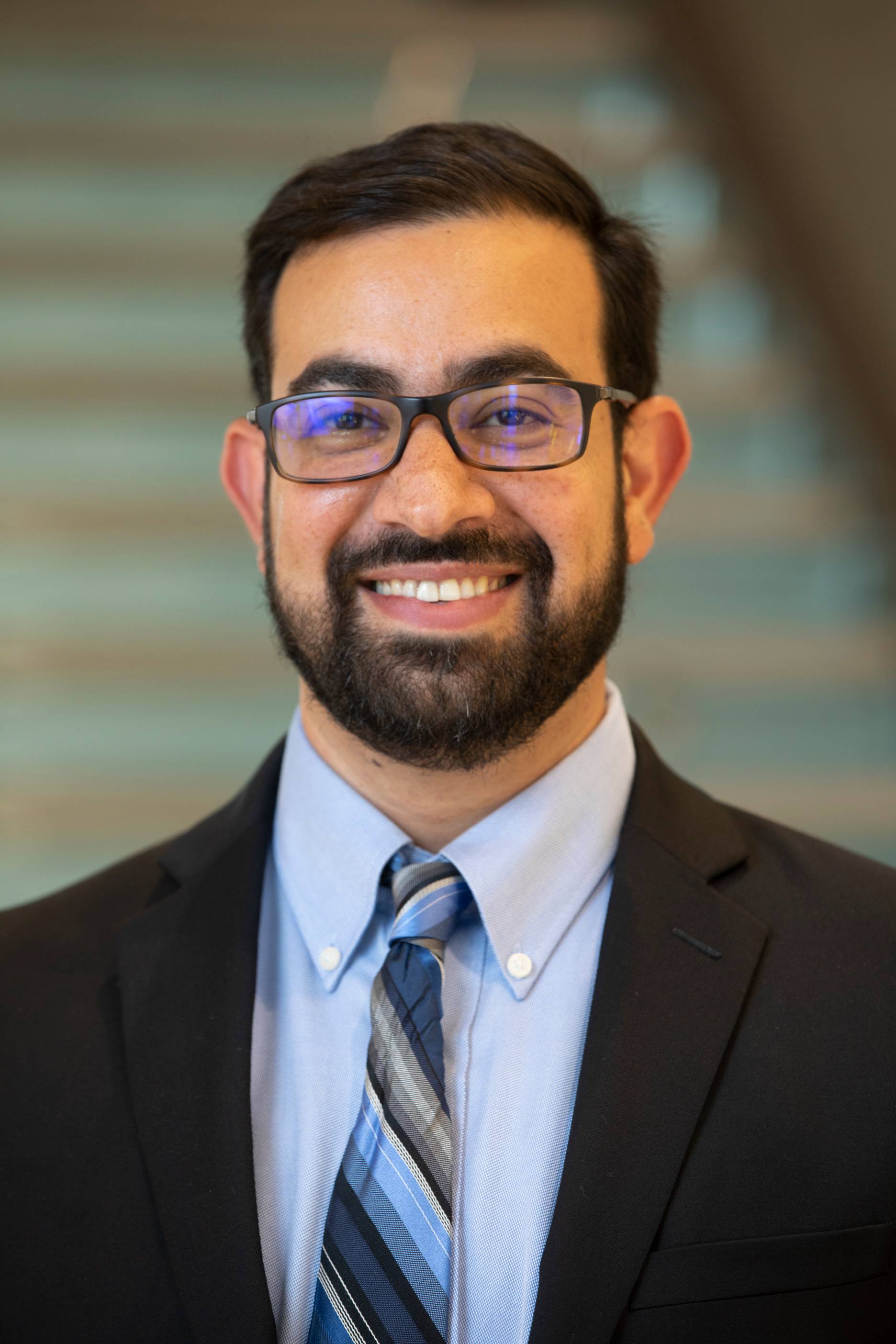
Dr. Irani’s research interests include evaluating treatment outcomes in stuttering. He is interested in evaluating long-term treatment outcomes for adolescents and adults who stutter attending intensive stuttering therapy programs. He is also interested in the application of telepractice to stuttering therapy. He has co-authored publications evaluating treatment outcomes for intensive stuttering therapy and psychosocial aspects of stuttering.
Click Here for more information about the Comprehensive Stuttering Therapy Program
Clinical Assistant Professor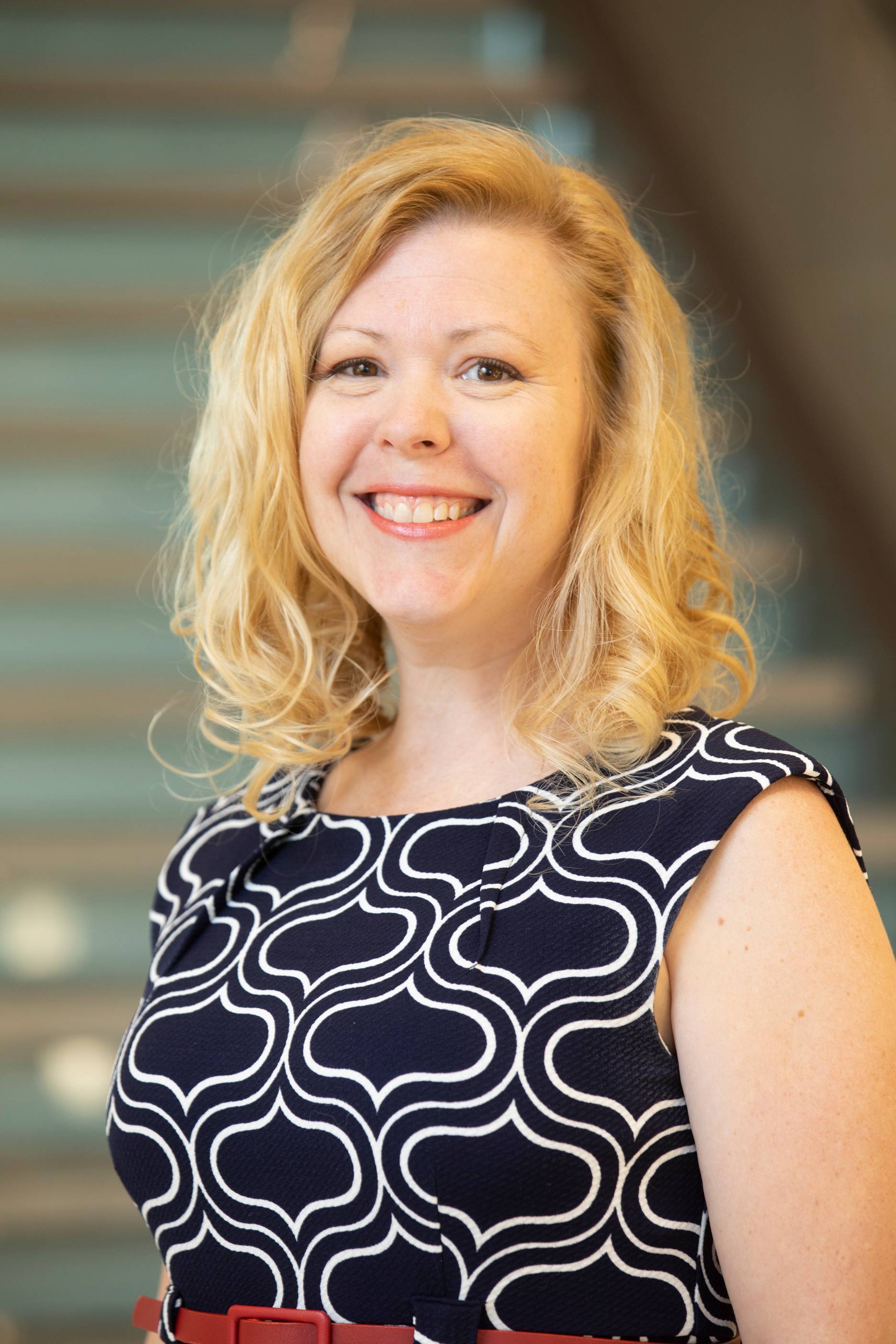
Jennifer L. Johnson, M.S. CCC-SLP holds a bachelor of fine arts in musical theatre performance from Western Michigan University and received a master of science in communication disorders from Texas State University. She has been active in research with the American Institute of Voice and Ear Research and with the Department of Otolaryngology-Head and Neck Surgery at Drexel University College of Medicine.
Clinical Lecturer
Stacey Lesieur earned a bachelor's in Recreation Administration with Therapeutic Recreation concentration from Texas State University, and a master's in Communication Disorders from the University of Texas at Dallas. She holds the Certificate of Clinical Competence from the American Speech-Language-Hearing Association and is licensed to practice in Texas. Stacey has worked primarily with children in outpatient pediatric therapy, private practice, and the public school setting and has an interest in speech sound disorders. Stacey is excited to be a part of educating and training future Speech-Language Pathologists.
Assistant Professor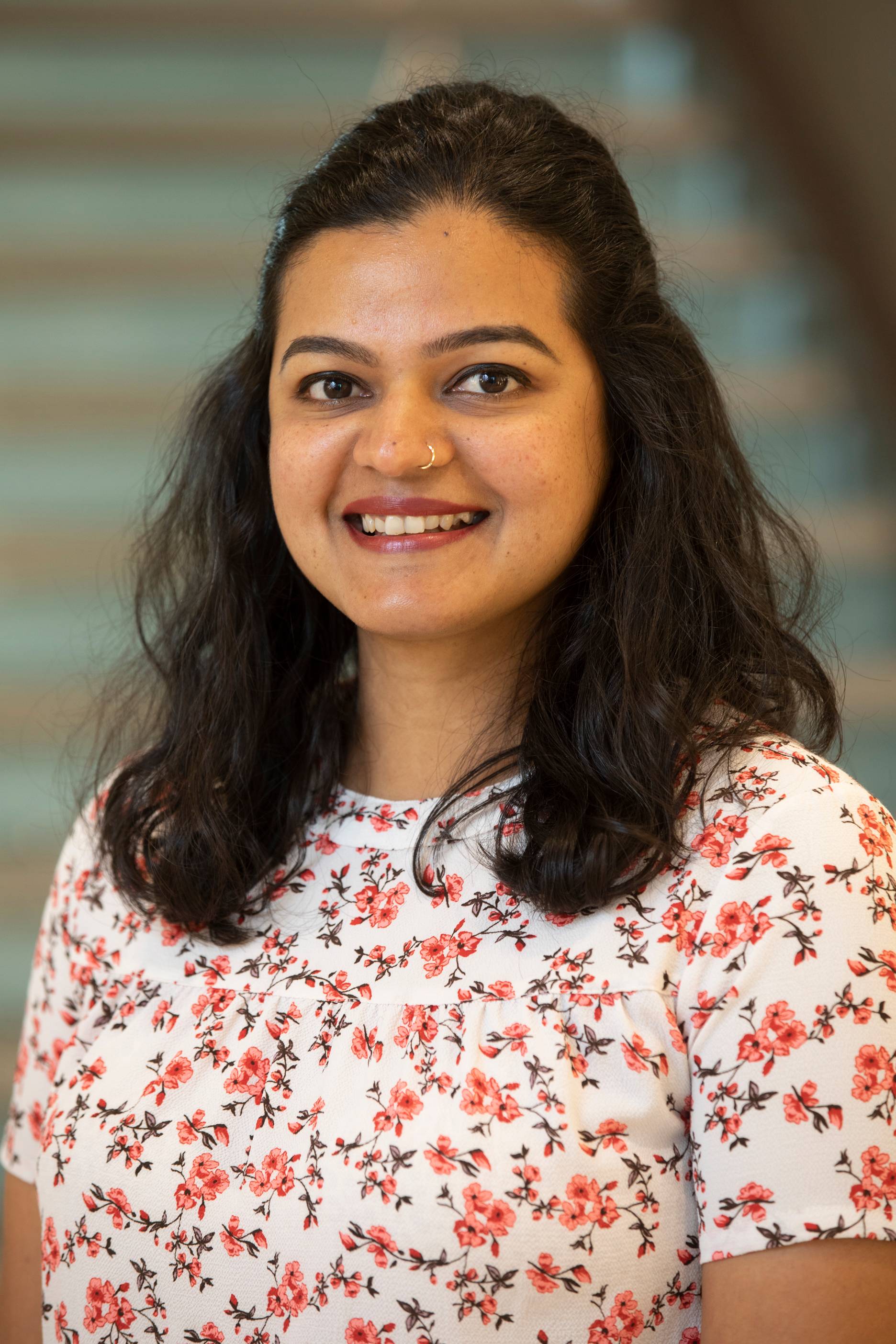
Dr. Mohan's research interests include identifying age- and disease-related changes in communication across the lifespan. She is specifically interested in understanding the neural bases of cognition and language in typically aging adults and those with neurogenic diseases. She has extensive clinical experience working with adults in acute, sub-acute, and outpatient settings both in the U.S. and in India.
Clinical Lecturer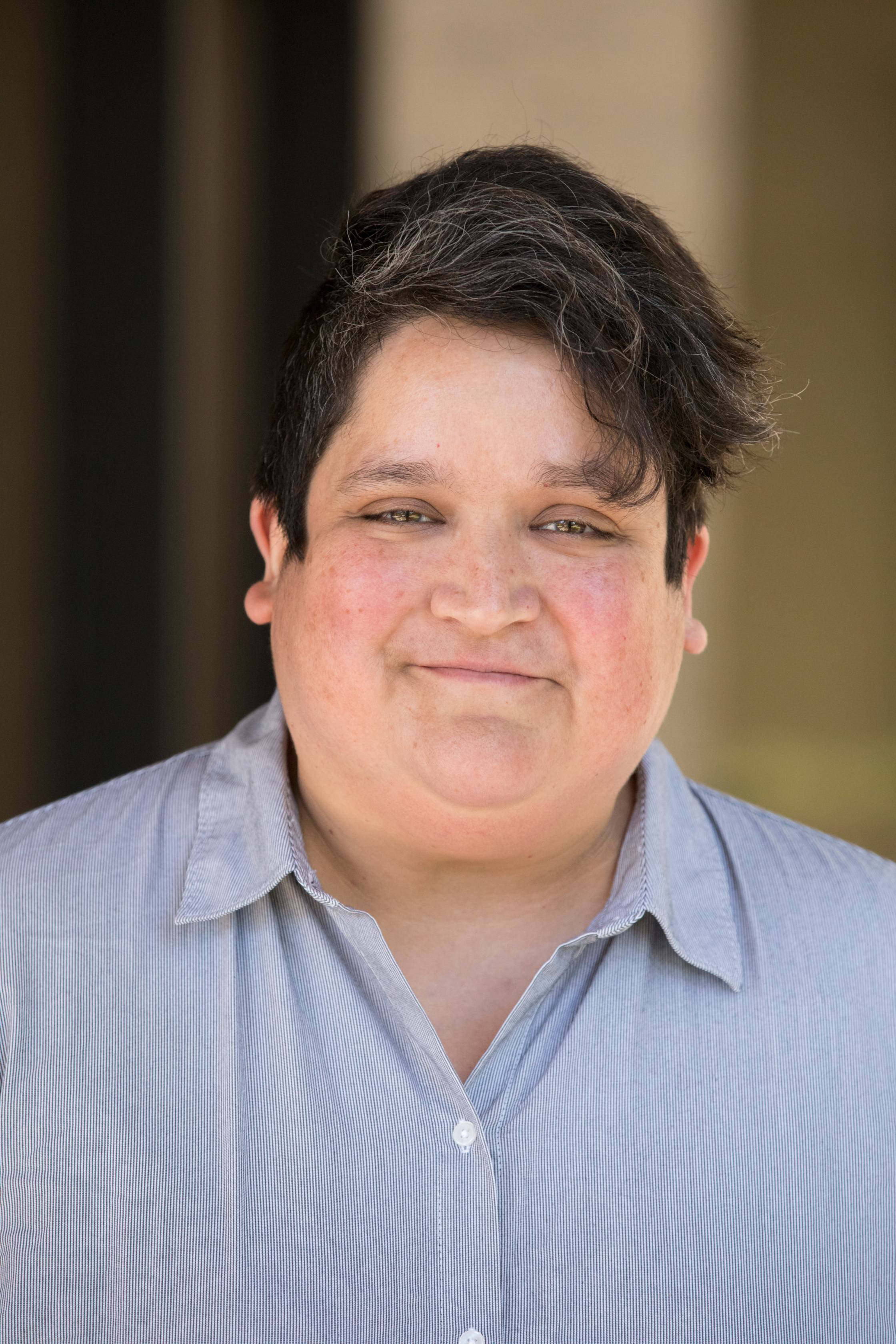
Ms. Ceci Perez earned both her bachelor and master of science degrees in Communication Disorders from Texas State University. Her research interests include early childhood speech and language development of monolingual children and children from linguistically and culturally diverse backgrounds. She is interested in the impact of poverty on the development of early childhood speech and language skills. Furthermore, she is also interested in dyslexia, the development and remediation of bilingual literacy skills, and the development of literacy skills-specifically narrative development.
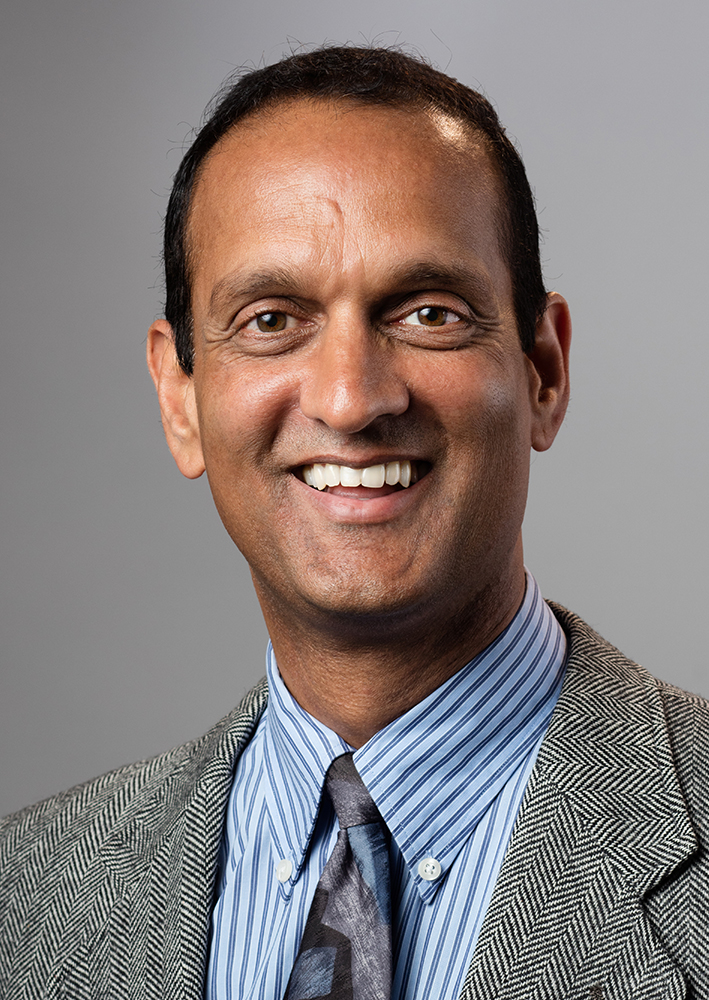
Associate Professor
Dr. Ramanathan's research involves behavioral and neuroimaging in two distinct lines of investigation of treatment induced neuroplasticity: one for chronic post-stroke aphasia and the other for chronic traumatic brain injury (TBI). In the aphasia line of research he employs electroencephalography (EEG) with event-related potential (ERP), and functional near infrared spectroscopy (fNIRS) to determine whether or not it is possible deliberately to shift processing of primary language functions from the left hemisphere to the right as novel treatment for severe aphasia; he calls this “Constrained Hemisphere Aphasia Therapy” or CHAT. Dr. Ramanathan's TBI line of research applies combined ERP and fNIRS methods to study training-induced neuroplasticity in chronic moderate/severe TBI.
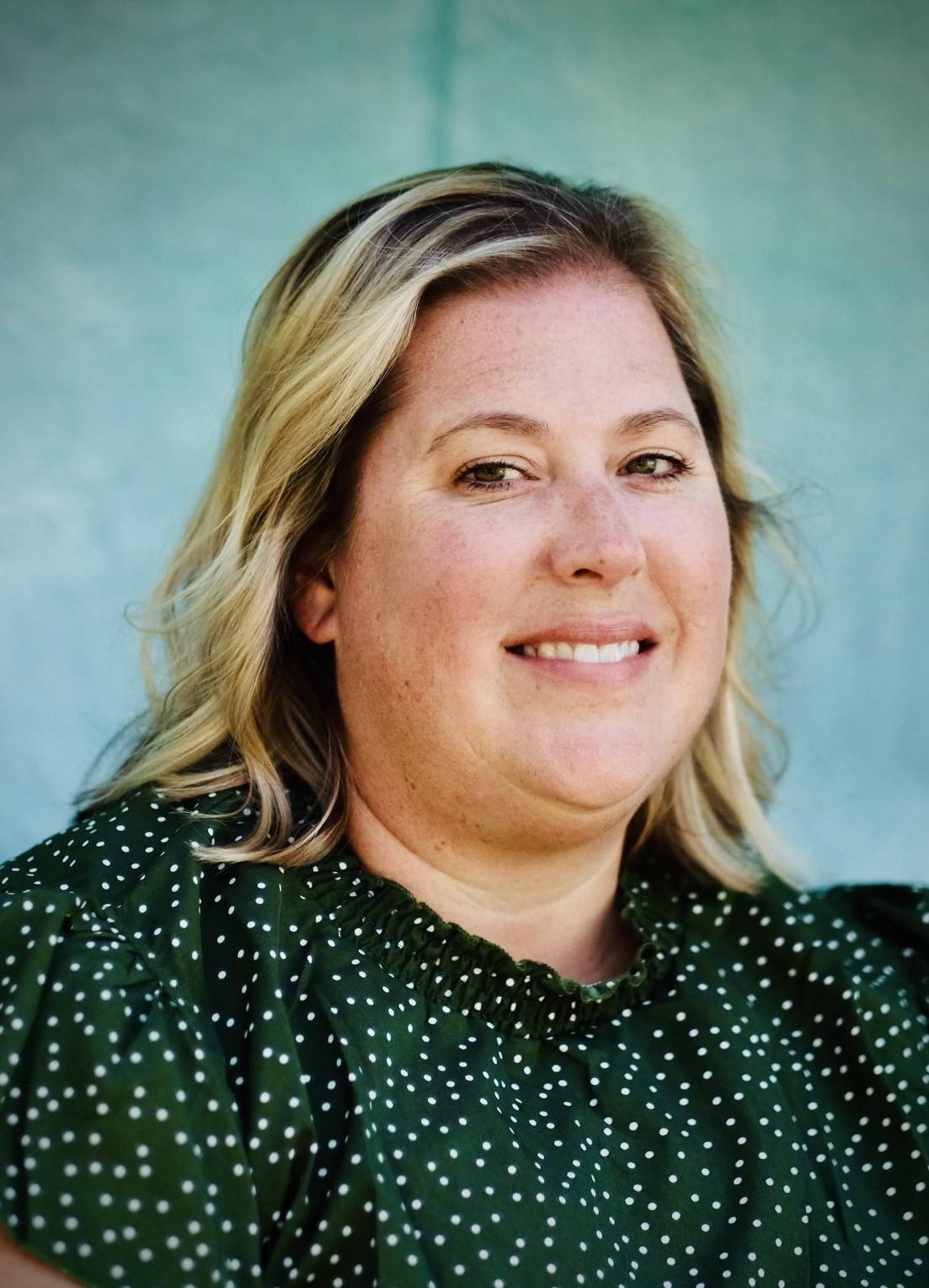
Clinical Assistant Professor
Dr. Rasmussen began her career as an educational audiologist for the Chicago Public Schools. She then became a clinical audiologist for the University of Illinois Medical Center. She previously worked at Children's Ear, Nose, and Throat Center in Austin as a pediatric audiologist before coming to Texas State University. She is a member of the Educational Audiology Association and the American Cochlear Implant Alliance.
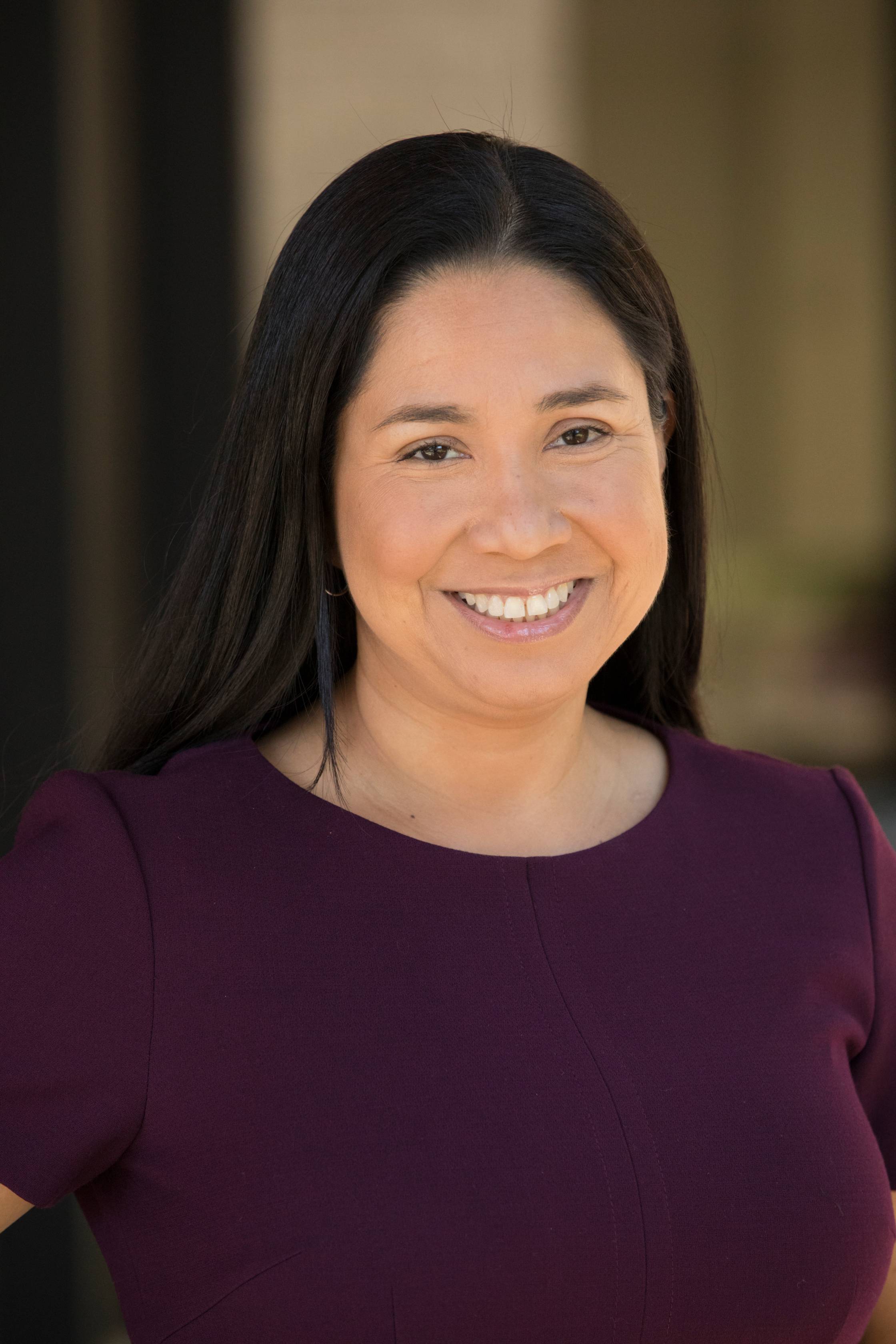
Associate Professor
Dr. Resendiz earned her Ph.D. at the University of Texas at Austin, where she also earned her bachelor’s and master’s degrees. Her research interests include how children learn language, specifically the role of children’s experience with English in learning English grammar. She has publications on language learning within the context of narratives with children from culturally and linguistically diverse backgrounds and has presented at national conferences.
Associate Professor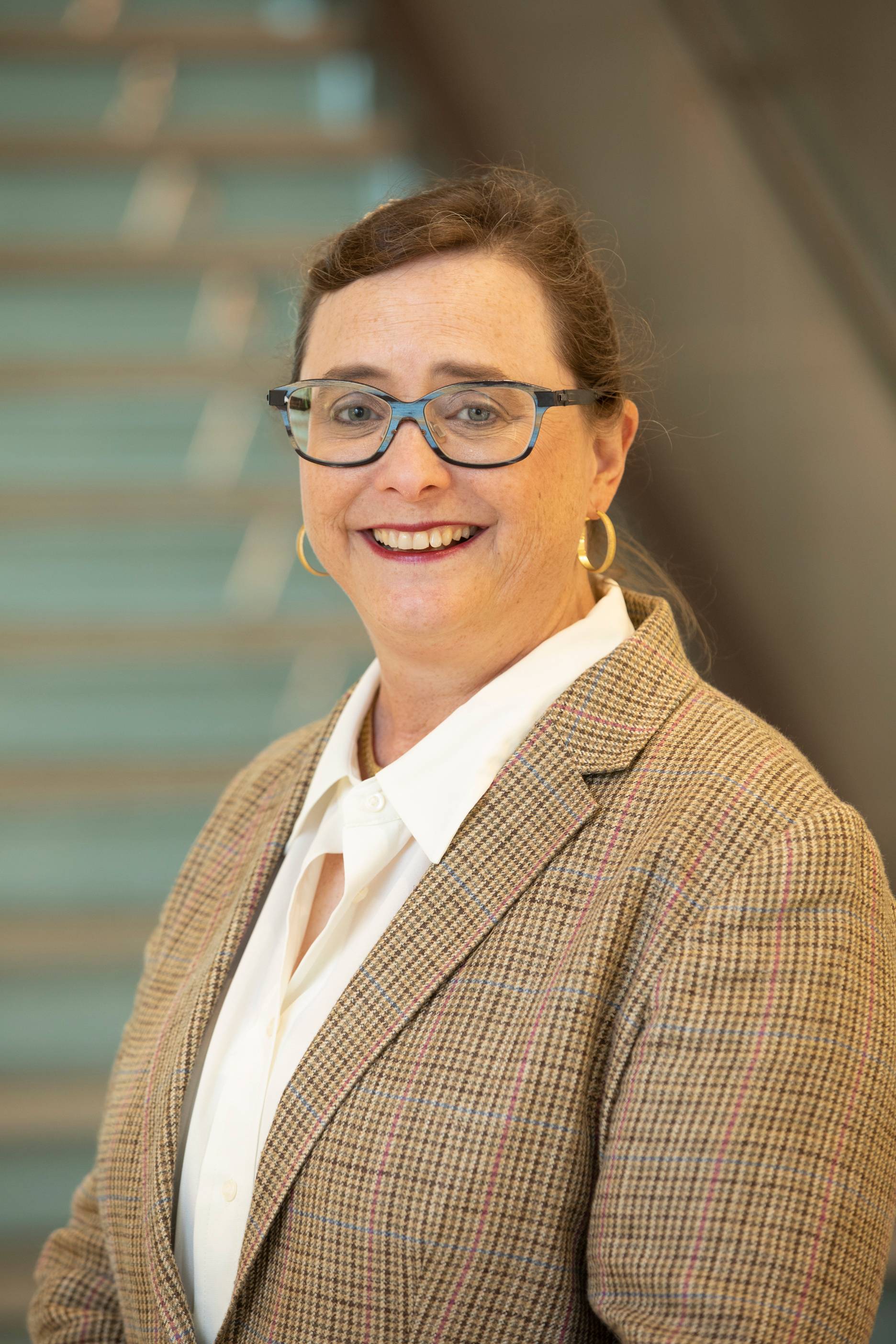
Dr. Schwarz's research interests include translating basic research on early language development and preliteracy into applied research that informs clinical practice and language intervention. She is particularly interested in identifying the social, linguistic, and perceptual cues young children use to acquire verbs. As she identifies these cues in children developing language in a typical fashion, she will design and test the efficacy of simple no cost treatments for children across clinical populations.
Click here to learn more about Dr. Schwarz's research
Clinical Lecturer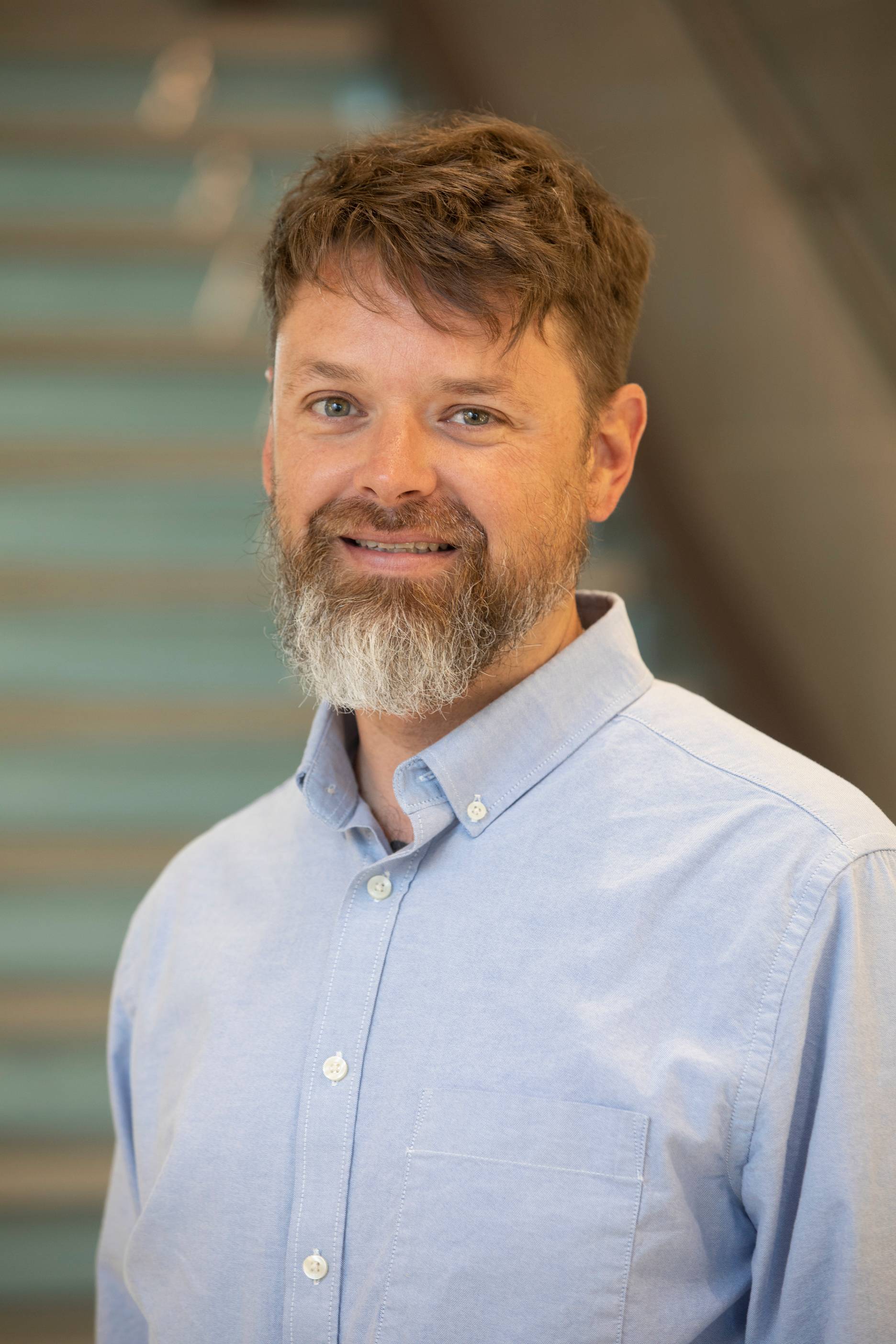
Mr. Tipps speech pathology professional experience includes employment in the pediatric home health and adult rehabilitation settings. His research interests include language development in monolingual and bilingual children and dysphagia management techniques across the lifespan.
Clinical Assistant Professor, Director of Clinical Education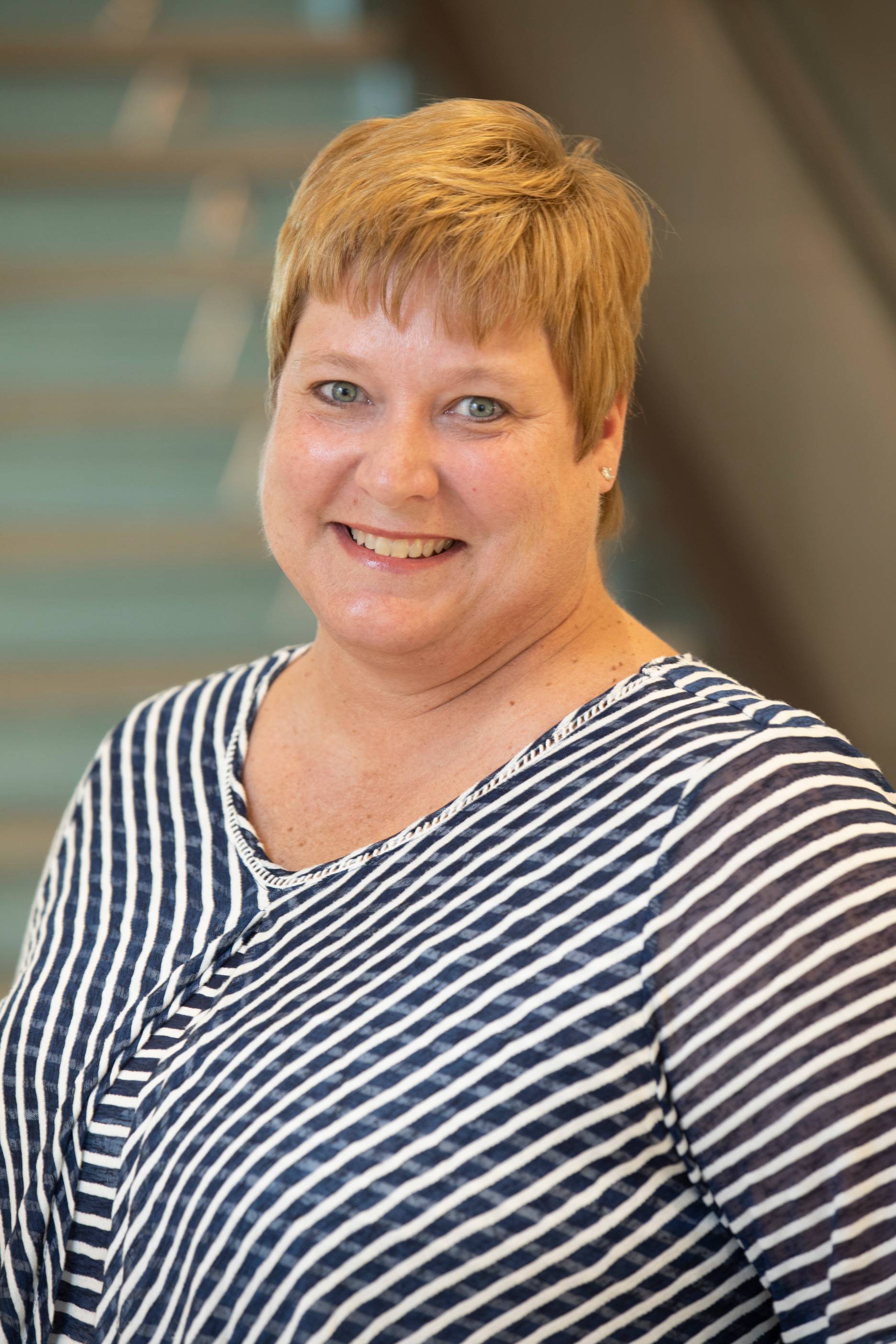
Mrs. Wendel's research interests include literacy acquisition in children with Autism, cognitive factors influencing the acquisition of communication skills in children with autism/ASD, technology applications in clinical service delivery, student outcomes in clinical education and training, and the relationship between gender and maternity/paternity on scoring procedures of standardized tests.
Assistant Professor 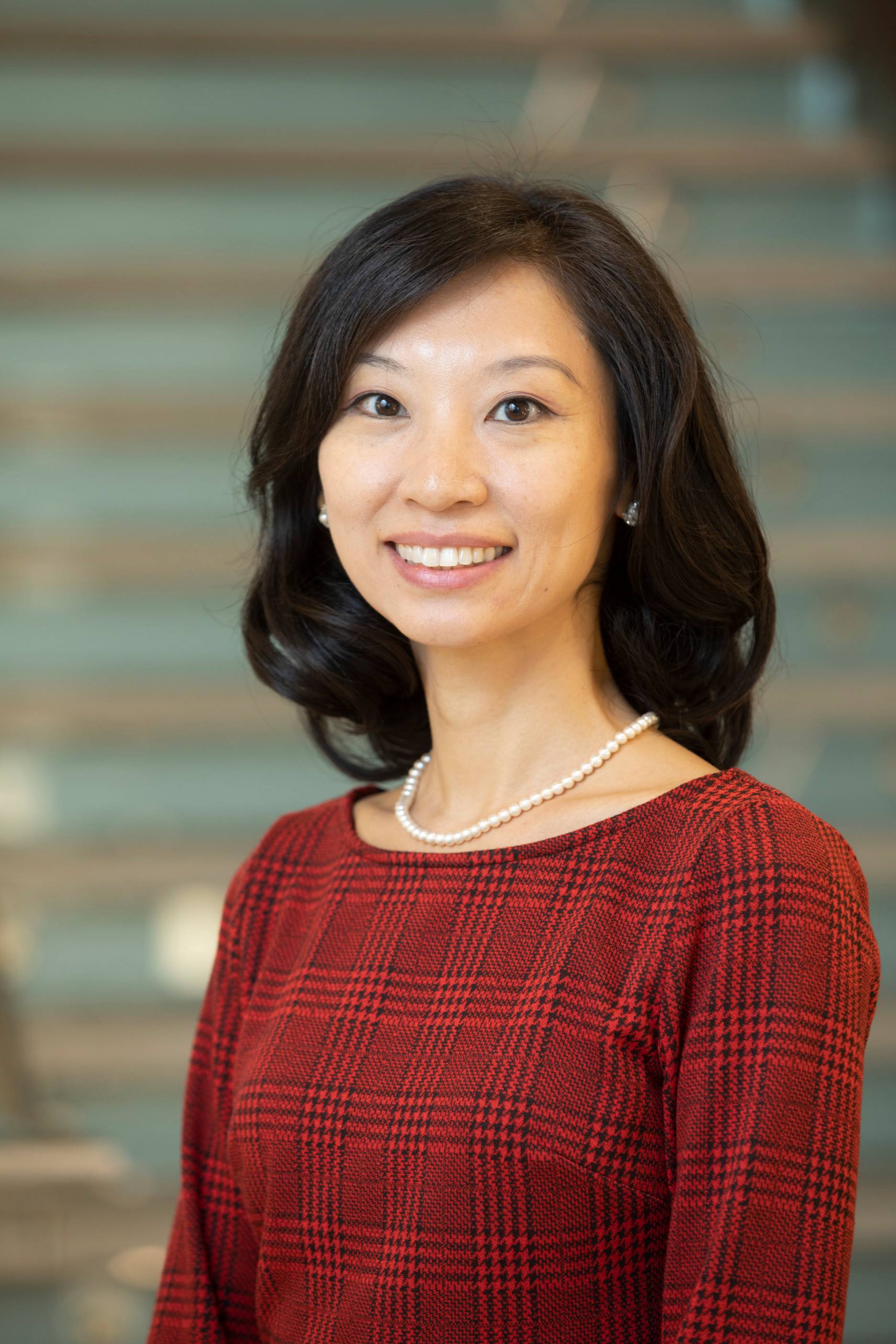
Dr. Yang’s research focuses on cross-linguistic investigation of the acquisition of speech production and perception abilities in monolingual and bilingual children. She is especially interested in the development of prosodic characteristic of tone and intonation. Clinically, Dr. Yang is interested in translation of this information on normal processes into understanding speech disorders and clinical issues related to culturally and linguistically diverse populations.
The Master of Science in Communication Disorders (MSCD) and the Master of Arts (MA) in Communication Disorders residential education programs in speech-language pathology at Texas State University are accredited by the Council on Academic Accreditation in Audiology and Speech-Language Pathology (CAA) of the American Speech-Language-Hearing Association, 2200 Research Boulevard, #310, Rockville, MD 20850, 800-498-2071 or 301-296-5700